
The cultural significance of casinos in modern society
Historical Context of Casinos
Casinos have long been woven into the fabric of society, evolving from simple gaming houses to lavish entertainment complexes. Their origins can be traced back centuries, with early forms seen in Ancient China and Roman Empire gatherings. The modern casino emerged in Europe during the 17th century, becoming popular in cities like Venice and Monaco, where gambling was not only a pastime but also a symbol of social status and wealth. If you’re looking for reliable options, consider exploring uk betting sites that provide a variety of betting experiences.

As casinos expanded globally, they adopted local customs and integrated diverse cultures. This cultural evolution reflects broader societal trends, as gambling has historically served as both a leisure activity and a mechanism for economic growth. Today, casinos continue to play a vital role in shaping local economies, influencing tourism, and creating jobs while serving as a focal point for social interaction.
Economic Impact of Casinos
The economic influence of casinos is profound, contributing significantly to local, national, and even international economies. They generate substantial revenue through taxation, support local businesses, and stimulate job creation. With thousands of jobs directly associated with casinos, including hospitality, entertainment, and service positions, they become a crucial economic engine for many regions.
Moreover, casinos often drive tourism, attracting visitors from afar. Destinations like Las Vegas and Atlantic City have built entire economies around their casino industries, demonstrating how gambling can transform a region’s landscape. As cities and states seek to capitalize on this industry, the regulatory frameworks surrounding casinos must also evolve to ensure sustainable growth and responsible gambling practices.
Cultural Perceptions of Gambling
The cultural significance of casinos extends beyond mere economics; they often reflect societal values and attitudes toward gambling. In some cultures, casinos are celebrated as vibrant social hubs, synonymous with excitement and entertainment. In contrast, other societies view gambling with skepticism or disapproval, associating it with addiction and moral decay.
These varying perceptions influence how casinos are regulated and integrated into the community. As gambling becomes more mainstream, the conversation around responsible gaming practices grows, emphasizing the importance of education and awareness. By addressing both the positive and negative aspects of gambling, societies can create a more balanced view that acknowledges the allure of casinos while advocating for safer practices.
Legal and Regulatory Frameworks
The operation of casinos is heavily influenced by legal and regulatory frameworks that govern gambling practices. Laws vary significantly by country and region, shaping how casinos operate, what types of games are permitted, and the age restrictions for patrons. These regulations aim to ensure fair play, protect consumers, and prevent illegal activities associated with gambling.
As the industry evolves, regulators must adapt to technological advancements, including online gaming and mobile applications. This shift raises new challenges regarding oversight and accountability. Therefore, an ongoing dialogue among stakeholders, including governments, casino operators, and the public, is essential to establish a balanced regulatory landscape that promotes both growth and social responsibility.
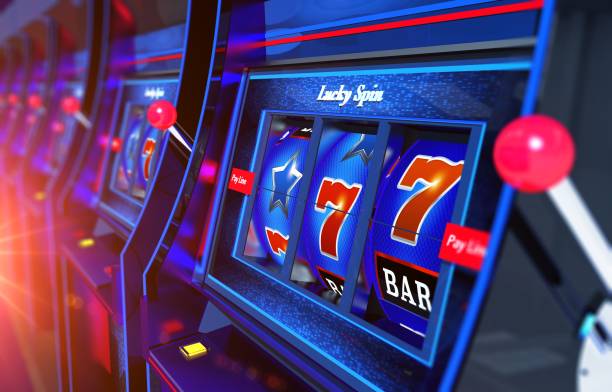
Exploring the Role of Casinos Today
Today, casinos serve as multifaceted entertainment venues, offering much more than just gaming options. They have become centers for live performances, fine dining, and upscale shopping, blending traditional gambling with a broader entertainment experience. This transformation reflects changing consumer preferences and the need for casinos to attract diverse audiences.
As society continues to evolve, the cultural significance of casinos will also adapt. They will remain pivotal in discussions around economic growth, regulatory challenges, and societal perceptions of gambling. By embracing innovation and responding to community needs, casinos can maintain their relevance and enhance their positive impact on modern society.